Pallet Liquidation: Turning Excess Merchandise Into Earnings
Pallet liquidation offers a practical solution for retailers burdened with overstock merchandise. By converting returned or unsold merchandise into large-scale sales, this process not only alleviates storage issues but also opens new revenue streams. Independent retailers frequently pursue these opportunities to secure valuable goods at discounted rates. Nevertheless, the nuances of acquiring and reselling these pallets present obstacles that necessitate thoughtful analysis. What factors should one weigh before entering this evolving market?
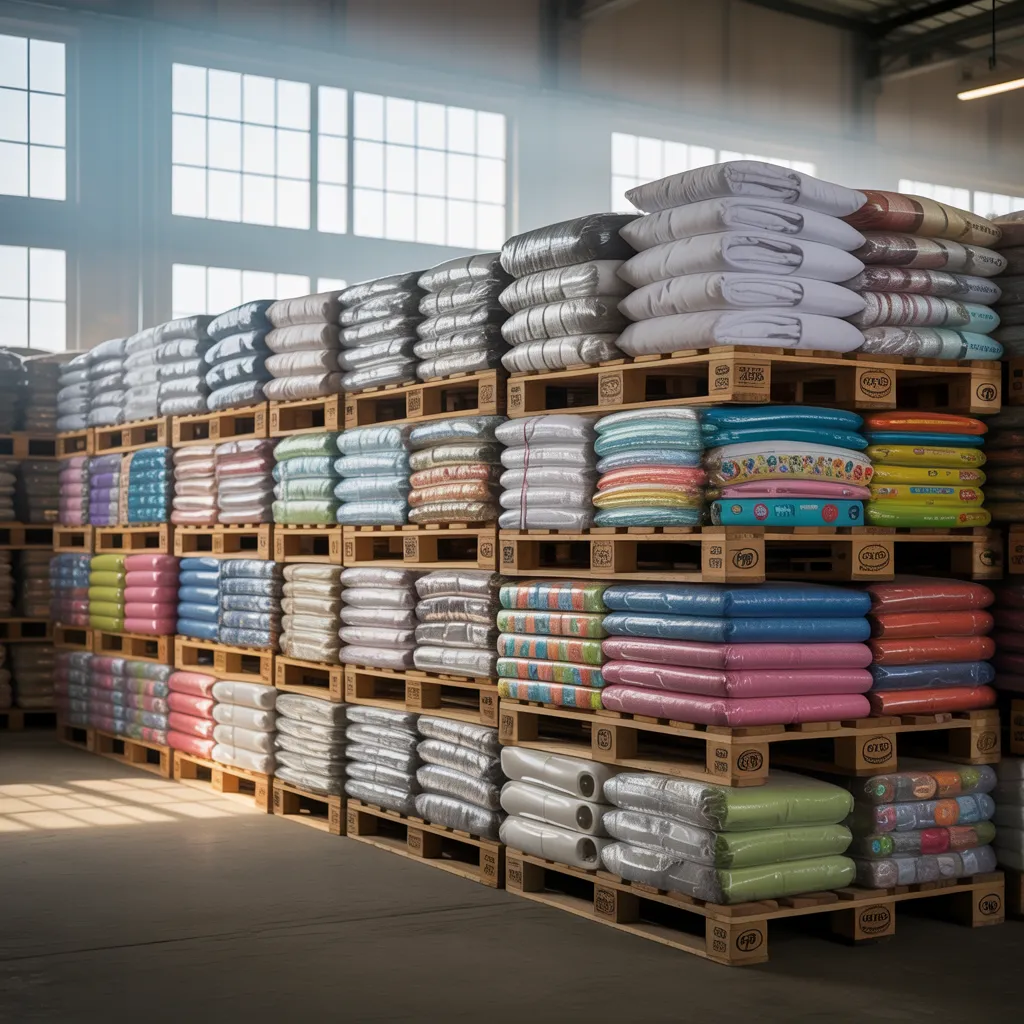
What Is Pallet Liquidation and How Does It Operate?
Pallet liquidation describes the practice of selling significant volumes of surplus, returned, or unsold goods, generally arranged on pallets for convenient transport. This method allows retailers and wholesalers to regain some financial return from stock that would otherwise be wasted. Companies often acquire these pallets from various sources, including manufacturers and retailers, who wish to clear out their excess stock.
After acquisition, the pallets are either sold directly to consumers or through online auctions. Buyers, often small business owners or resellers, purchase these pallets with the expectation of reselling individual items at a profit. The contents of each pallet can vary greatly, encompassing a wide range of products from electronics to household goods. The draw of pallet liquidation stems from the prospect of considerable savings and the ability to find worthwhile products within a diverse collection. In summary, this approach offers an effective method for handling excess stock.
Popular Product Types available in Pallet Liquidation Sales
Liquidation pallets frequently include a diverse array of product categories, attracting various buyers looking for value. Typically available items consist of electronics, home goods, apparel, and beauty products. Electronics, such as smartphones and laptops, are especially in high demand, as they often retain high resale value. Home goods, including kitchen appliances and furniture, attract a wide range of buyers looking for budget-friendly home improvement solutions. Apparel selections can extend from seasonal outfits to activewear, capturing the interest of secondhand store owners and resellers. Furthermore, beauty items, such as skincare and cosmetics, appeal to both personal shoppers and retail businesses aiming to capitalize on brand-name items. Seasonal products also find their way into liquidation, enabling shoppers to prepare their inventory before the holiday season. This diverse selection of categories confirms that liquidation pallets are capable of satisfying the varied demands of purchasers, creating opportunities for profit across multiple markets.
Advantages of Pallet Liquidation for Retailers
Numerous retailers greatly benefit from purchasing liquidation pallets, as they present a practical method to supply their shelves with a diverse range of products at reduced prices. This strategy not only expands inventory selection but also enables retailers to cater to diverse customer demands without significant financial strain. The affordability of liquidation pallets helps retailers maintain competitive pricing, which can lead to increased profits and long-term customer relationships.
In addition, buying liquidation pallets can lead to improved earnings, as most goods are sourced at a fraction of their retail price. Retailers can also capitalize on market trends by quickly obtaining popular or seasonal items, allowing them to align with changing market needs. Furthermore, the turnaround time for acquiring and selling these goods is often shorter than traditional sourcing methods, empowering sellers to promptly react to shifting market dynamics. In summary, liquidation pallet sourcing operates as a practical solution for sellers seeking to optimize their operations and profitability.
How to Source Quality Pallets
Acquiring quality pallets necessitates diligent research and strategic consideration. Potential buyers should kick off by pinpointing reputable liquidation firms and wholesale suppliers with a proven track record. Web-based platforms and local auction houses can likewise act as valuable sources, providing a array of pallets at varying price ranges.
A further important consideration includes assessing the condition of the pallets. Purchasers ought to check for indicators of wear and damage, ensuring that the products are in good condition and marketable. Developing strong ties with distributors can provide advantageous terms and entry to specialized merchandise, expanding acquisition prospects.
Keeping up with market trends and popular products can help buyers choose pallets that will generate substantial returns when resold. Networking with other resellers can deliver useful tips and advice, further aiding the sourcing process. By merging these methods, resellers can efficiently acquire premium pallets that contribute to successful liquidation ventures.
Essential Strategies for Reselling Liquidated Pallets
Selling liquidated pallets demands strategic planning and market insight to optimize returns. Successful sellers begin by performing in-depth analysis of industry trends and customer demand. Identifying popular product categories, including electronics, household products, or seasonal merchandise, allows for targeted purchasing.
Additionally, vendors should examine the quality of products in the pallet collections. A comprehensive inventory is essential for determining the likely resale value and helps in creating competitive prices. Leveraging e-commerce platforms and social media for advertising boosts visibility, connecting with more potential buyers.
Networking with other resellers can also be beneficial, encouraging partnerships that result in exchanged knowledge and assets. Additionally, resellers are advised to think about presenting combined offers or special pricing to appeal to purchasers and enhance circulation rates. Through the application of these approaches, vendors can successfully convert surplus merchandise into profitable ventures, securing a prosperous operational strategy in the continuously changing retail environment.
Understanding the Legal and Ethical Side of Pallet Liquidation
In the domain of pallet liquidation, understanding legal compliance requirements is essential for resellers to avoid potential liabilities. Furthermore, responsible sourcing practices serve a key function in upholding integrity across the industry. These factors not only influence business operations but also impact consumer trust and brand reputation.
Legal Regulatory Requirements
Legal compliance in pallet liquidation is essential for ensuring ethical practices and maintaining business integrity. Companies engaging in this sector must adhere to various regulations, including consumer protection laws, environmental standards, and tax obligations. Adhering to these regulations assists in reducing risks linked to the sale of potentially dangerous or copyright products. Moreover, organizations ought to remain knowledgeable about local and federal guidelines regulating the resale of liquidated items, guaranteeing thorough documentation and reporting. Neglecting to comply can bring about significant legal ramifications, including financial fines or forfeiture of business licenses. By prioritizing legal compliance, pallet liquidation firms can foster trust with consumers and suppliers, ultimately enhancing their reputation and long-term viability in the marketplace.
Ethical Sourcing Practices
Navigating the intricacies of pallet liquidation necessitates a focus on ethical sourcing practices combined with legal compliance. Businesses involved in this sector must emphasize transparency and integrity, ensuring that the products they process are ethically obtained. This includes verifying the discussion origins of goods, assessing the treatment of workers participating in production, and avoiding products associated with environmental harm or exploitative labor practices. By implementing ethical sourcing standards, businesses not only minimize legal risks but also improve their standing and foster client loyalty. Furthermore, ethical practices can lead to a more viable operation, resonating with socially conscious consumers. Overall, the integration of ethical considerations into pallet liquidation is essential for cultivating a ethical and thriving business model.
Future Trends in the Pallet Liquidation Market
As the pallet liquidation sector continues to develop, a number of emerging trends are influencing its future direction. Digital platforms are growing more widespread, enabling sellers and buyers to engage more effectively. These platforms often utilize advanced algorithms to match inventory with demand, enhancing the speed of transactions. Additionally, sustainability is gaining traction, with companies focusing on eco-friendly practices in the liquidation process. This change encourages a circular economy, where goods are recycled and repurposed, reducing waste.
Moreover, transparency in pricing and product quality is expected to increase, as consumers demand more information before purchasing. The growth of niche markets, specifically in specialized commodities, is equally significant; retailers are adjusting to serve distinct customer preferences. Lastly, incorporating data analytics will probably refine inventory management, allowing retailers to reach data-driven conclusions. Combined, these trends suggest a promising future for the pallet liquidation marketplace, shaped by cutting-edge technology and a dedication to environmental responsibility.
Common Questions and Answers
What Types of Businesses Benefit Most From Pallet Liquidation?
E-commerce businesses, retailers, and discount stores stand to benefit the most from pallet liquidation. Such companies consistently pursue affordable inventory strategies to optimize their profitability. Smaller retailers can acquire diverse products at reduced prices, enhancing their offerings without significant investment. Furthermore, e-commerce vendors utilize liquidation pallets to find distinctive products for resale, establishing competitive edges. In summary, companies that prioritize cost-effective stock management and varied product offerings find pallet liquidation especially beneficial for expansion and revenue growth.
What Is the Best Way to Determine the Value of Liquidated Pallets?
To determine the value of wholesale liquidation pallets, it is advisable to assess the original retail price of the products included, taking into account their current state and marketplace demand. Investigating like products online can offer valuable information about potential resale value. Furthermore, considering the cost of acquisition and any associated shipping and handling charges is critical. In addition, analyzing regional market conditions and consumer interest can assist in developing a strong pricing approach for resale.
Are Individuals Able to Take Part in Pallet Liquidation?
Indeed, private buyers can engage in pallet liquidation. Many liquidation companies and auctions enable anyone to place bids on or buy pallets directly. By researching nearby vendors or online platforms, individuals can access various goods at reduced prices. It is critical for individuals to be aware of the risks associated, such as potential hidden damages or unsold items, and to assess their ability to sell on or use the items efficiently. Proper research and readiness are vital to achieving positive outcomes.
What Are the Most Common Mistakes to Avoid in Pallet Liquidation?
Frequent errors to steer clear of in pallet liquidation consist of underestimating overhead, such as shipping and storage, resulting in diminished returns. Purchasers frequently overlook researching the value and condition of goods, causing unfavorable acquisition decisions. Additionally, neglecting to track inventory and sales can hinder success. A lack of awareness regarding market demand may cause excess inventory to go unsold. Ultimately, rushing into purchases without a clear strategy can cause financial losses, highlighting the necessity of thorough preparation.
How Does Shipping Cost Impact Pallet Liquidation Profitability?
Transportation costs heavily influence the profitability of pallet liquidation by directly affecting the total cost structure. Elevated shipping costs can erode margins, making it essential for vendors to factor these costs into their pricing strategies. Moreover, unstable freight costs may impact inventory circulation, consequently impacting the speed of sales. Efficient logistics planning and obtaining advantageous freight agreements can boost profit margins, permitting retailers to increase profits from liquidated merchandise while reducing operational costs.